Interviews and a profile about building Uptake Digital, people-first leadership and using AI safely in small and medium businesses.
A managed service provider, or MSP, is an outsourced IT department. That is what my team at Uptake Digital does. These interviews explain the people, decisions and relationships behind that work.
Start here - Owner to Owner
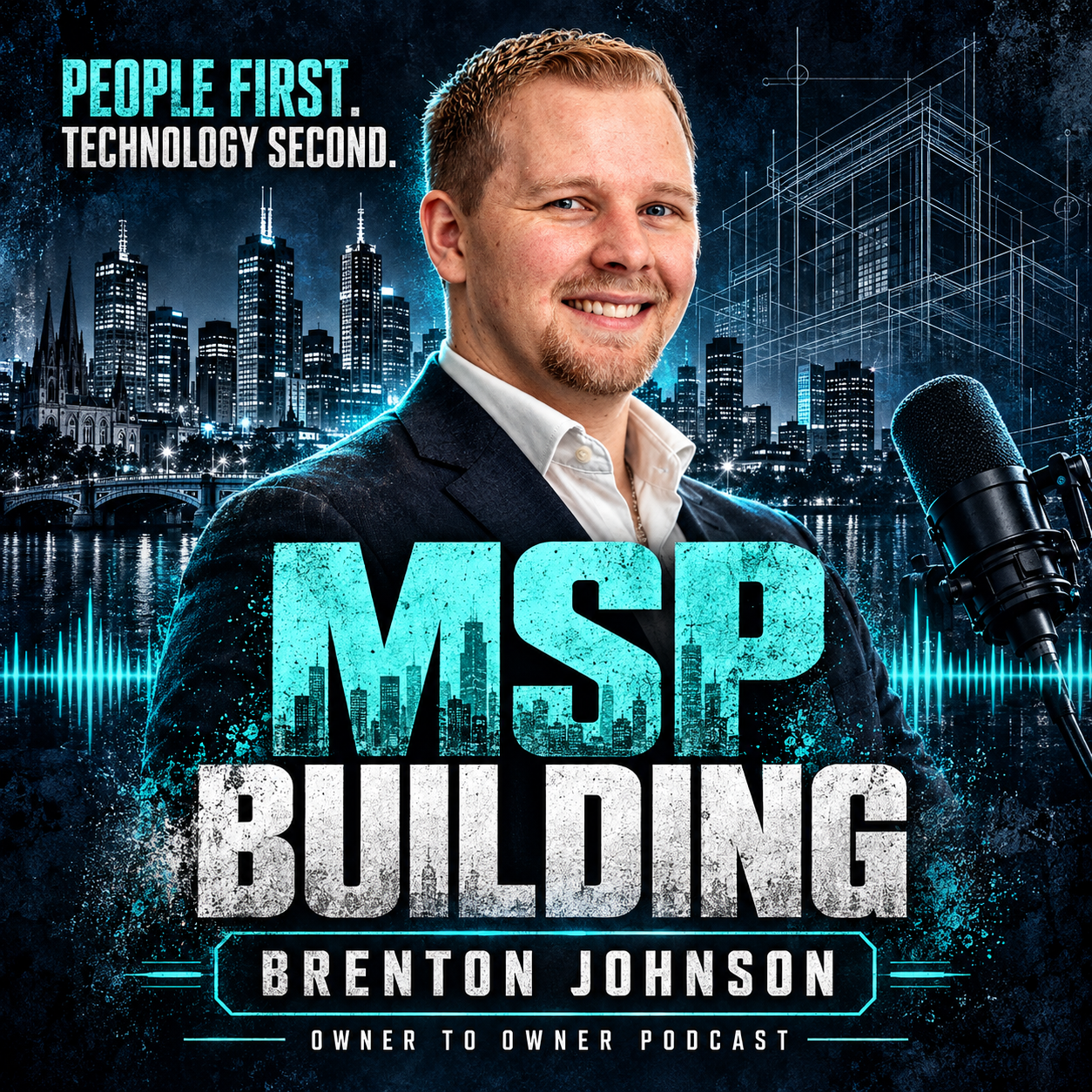
People First, Technology Second: Building Uptake Digital
With Michael Kerr. Season 1, episode 183. Published .
This is the best starting point for understanding why I built Uptake Digital. Michael and I discuss the journey from helping people with their computers to leading an IT business, the kind of organisations we want to support, and how AI is changing our work.
A business built around people and purpose
I describe Uptake as an IT department for organisations that do not have a full technical team of their own. Many of the clients I discuss have between 10 and 100 people. Their work depends on technology, but their goal is to serve their customers or community. Our job is to help that work happen.
The ambition is to do good work with people we value. We talk about choosing clients with a purpose, investing in the team and treating leadership development as something that strengthens the business over time. Growth matters, but it is not the only measure of success.
AI needs implementation and human judgement
Buying an AI licence does not automatically make work easier. People need to understand how to use it, and the organisation needs processes that make it useful. In the interview, I discuss using AI to help document changes and decisions while keeping people responsible for checking the work and approving important actions.
We also discuss the challenge facing businesses that are too large for informal ways of working but do not have the resources of a major enterprise. Helping those organisations adopt AI takes practical support, training and clear decisions about risk.
Build a business that does not depend on one person
Making a business ready for sale can be useful even when the owner has no intention of selling. Documented decisions, capable staff and clear responsibilities make it more resilient. I talk about moving from being the person who solves every problem to helping the team build the ability to solve it.
The conversation closes with the conditions that help people start businesses, including the role the NEIS business support program played in my own journey. It is a discussion about making entrepreneurship possible, rather than treating constant personal risk as the price of admission.
Useful places to start listening
02:05 - What an outsourced IT department does.
03:55 - Choosing purposeful work and the right clients.
06:32 - Investing in team capability and leadership.
22:28 - AI, documentation, oversight and approval.
31:37 - Why AI tools need training and implementation.
34:10 - The value of human relationships in IT.
51:43 - Building systems so the owner is not the only person who can do the work.
59:33 - Helping more people start enduring businesses.
Summary based on the publisher's transcript. Timestamps refer to the original episode. Views and examples describe the conversation at the time of recording.
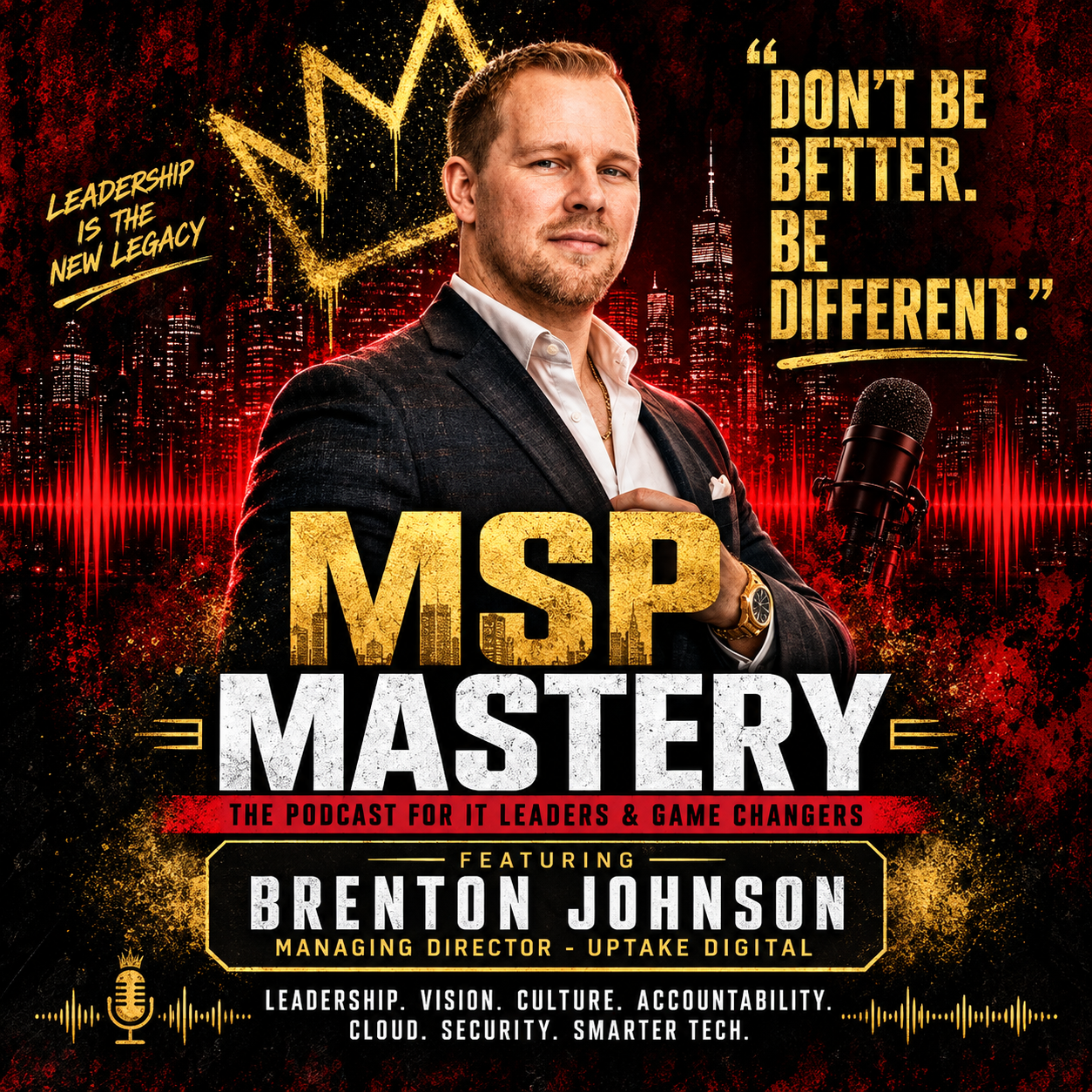
This conversation goes deeper into the everyday work of leading an IT business. Jeni, Nick and I discuss giving capable people room to work, learning from feedback and building relationships that last beyond a support ticket.
Give people authority as well as responsibility
I describe returning after five weeks away in total and finding that the business had continued to operate. That was a sign the team had the knowledge and authority it needed. Hiring good people is only the start. The owner also has to let them make decisions and accept that their approach may differ from the founder's.
We discuss how different strengths complement each other. Someone who sees new possibilities needs colleagues who enjoy detail, process and delivery. A useful team brings those strengths together rather than asking everyone to work in the same way.
Write down why, not just how
Instructions explain how a system works. They do not always explain why a decision was made. We talk about recording that context so a new team member can understand the reasoning instead of assuming an unfamiliar choice was a mistake.
The same applies to culture. Stories about how a team supports a customer or colleague make the expectations easier to understand. A small act of care can show what good service means more clearly than a list of values.
Leadership is something you practise
We talk about noticing your own reactions, listening to feedback and admitting when you have fallen back into an old habit. Developing a technical expert into a team leader also takes time and support. Leadership training and opportunities to take responsibility help people build that capability.
Know the clients you serve
Good technical skills are essential, but they do not explain why a particular client should choose you. I discuss understanding not-for-profit and professional services organisations, including what matters to them and how they work. That understanding shapes the service rather than simply becoming a marketing label.
The discussion also covers vendors and industry peers. Strong relationships help everyone understand the result they are trying to achieve for a client. They need attention before a difficult situation makes them urgent.
Useful places to start listening
06:02 - The business operating during the founder's absence.
10:13 - Self-awareness and learning from feedback.
20:59 - Recording the reasons behind decisions.
34:33 - Developing people and promoting from within.
38:38 - Helping new managers build leadership skills.
41:28 - Understanding your niche and the clients you serve.
49:14 - Building relationships with vendors and customers.
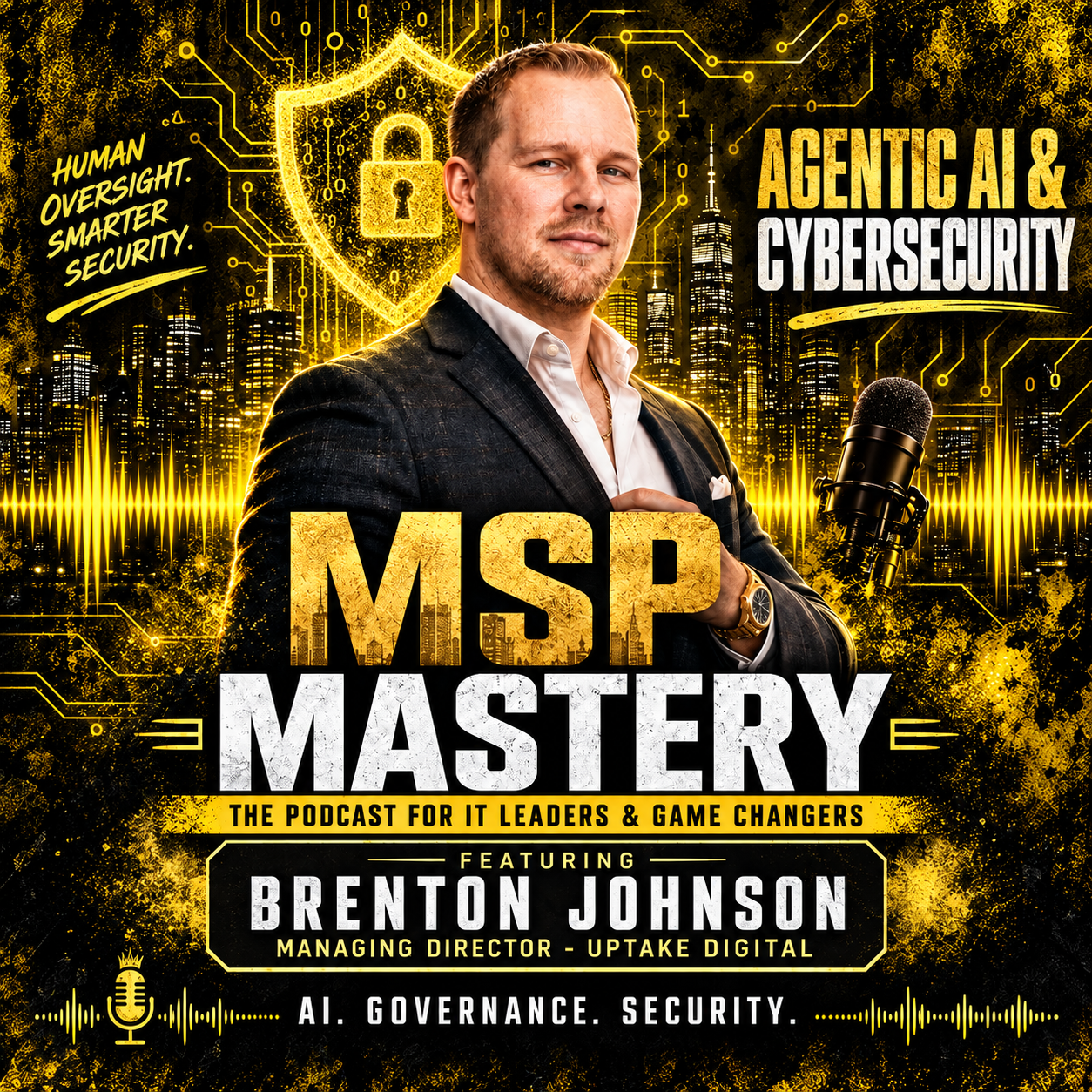
Jeni, Nick and I discuss how small and medium businesses (SMBs) can use AI agents while keeping people responsible for security and important decisions. The conversation connects practical AI work with the less visible work of documentation, governance and helping a team adopt change.
What agentic AI means in everyday work
An AI agent can use tools and information to work through a task, rather than only answer a question. I describe moving towards supervised agents at Uptake Digital, including help with service desk triage. Useful automation depends on context: who the customer is, how their systems connect and why earlier decisions were made.
One example brings together old support tickets into a focused record of security settings, changes and approvals. Missing explanations become questions for a person to answer. The resulting document gives both staff and AI a clearer starting point than repeatedly searching scattered tickets.
Keep people in control of changes
We discuss reviewing AI-written scripts, restricting tool permissions and testing in a demonstration environment before changing a customer's systems. AI can miss details that an experienced engineer knows. Understanding a script and following change management remain essential, even when generating it is quick.
The same caution applies to building software. I distinguish useful internal experiments from replacing critical management tools, which require experienced decisions about architecture, security and ongoing support.
Cybersecurity needs business decisions
The interview draws a distinction between keeping people working and managing security risk. A business needs to understand its data, who can access it, which risks it accepts and who makes those decisions. Buying tools is only part of that work.
We discuss shared responsibilities between the business and its IT provider, realistic budgets and the growing difficulty of managing access as organisations expand. Security becomes an ongoing capability, supported by leadership and clear responsibilities, rather than a project someone can simply finish.
Explain changes to the people affected
Security settings can interrupt legitimate work when their effects have not been considered or explained. Overseas access, software restrictions and staff onboarding are examples discussed. Good coordination involves the people doing the work as well as the technical team.
The conversation closes with improving processes incrementally. Standardisation helps, but a business needs the supporting responsibilities and communication in place. Peer groups can also help leaders work through decisions they cannot resolve alone.
Useful places to start listening
02:15 - Moving towards supervised AI agents.
13:00 - Reviewing scripts, permissions and safe testing.
19:00 - Bringing customer context into service desk triage.
23:20 - Turning support tickets into useful documentation.
31:15 - Building security as a business capability.
39:15 - Why security changes need people and governance.
43:00 - Improving operational maturity step by step.
Summary based on the publisher's transcript. Timestamps refer to the original episode. Examples and opinions describe the conversation at the time of recording.
James Henderson's profile offers an engaging account of how Brenton Johnson's personal values shaped Uptake Digital. The unusual combination of hip-hop and country-town community life gives the article its character, while the business lessons remain practical.
Culture with a recognisable personality
The Biggie portrait above Johnson's desk illustrates his interest in authenticity. Alongside that sits a regional upbringing where people contribute to their community and help keep it running. Henderson connects those influences to the workplace Johnson wanted to create.
Learning what customers actually need
The story follows the shift from building websites in Bendigo to cloud services after clients raised more pressing problems with their IT. It also traces Johnson's growing understanding that an apparently obvious technical answer can overlook a customer's priorities and circumstances.
A broader view of success
The profile is candid about mistakes, asking for help and learning from feedback. Complementary team strengths and choosing suitable clients emerge as recurring themes. Its strongest thread is the gradual widening of Johnson's definition of success to include his team and community.
Summary of James Henderson's Moxie Insights profile. Read the original article for the full reporting and interview.